
Skip to content
First time buyers

Support for

first-time buyers

Buying your first home is not an easy thing to do. Considerations such as saving for a deposit, mortgage rates and mortgage availability are all factors. But even with those taken care of, finding a suitable and affordable home on the open market can be competitive. However, there are a number of government home buying schemes available to help you get on the property ladder.

Arrange a no obligation appointment to see if we can help get you on the property ladder.

First-time

buyer

Not every homebuyer scheme will be equally as useful to every potential first time buyer; it simply depends on your individual circumstances, and on the schemes that are being offered in the area where you’re buying.

It’s always advisable to contact any relevant professional – such as council representatives, mortgage brokers and the like – to get the most accurate picture of the available options you have to choose between when you’re looking to buy.

And if you need any advice to take those all-important first steps towards homeownership, then we’d be very happy to help you.

ISA. Help for home buyers

Lifetime Individual

Savings Account (LISA)

The Lifetime ISA (LISA) is an alternative to the Help to Buy ISA. It allows those aged 18-39 to save for a first home or retirement. You can save up to £4,000 per year and receive an annual 25% government bonus up to £1,000. Funds are accessible for retirement once you hit the age of 60, or for a first home purchase under £450,000 if you’re buying at least 12 months after your first LISA payment using a conveyancer/solicitor and taking out a mortgage.

Those with an existing Help to Buy ISA must choose to use either that bonus or the LISA bonus. Two first-time buyers may combine LISAs. Withdrawing from your LISA under ineligible circumstances usually leads to a 25% charge.

Our first home and a house key

Discounted

Open Market Value

Some houses are sold below market value as “Discounted Open Market Value” (DOMV). Buyers purchase at a discount rate, but own 100% of the property with no rent due. Ground rent and service charges maybe applicable particulalry for apartments. The original discount and eligibility criteria apply to future sales. Councils and housing associations set local criteria, and usually require evidence of a local connection.

Contact the local council where you wish to buy to ask about Discounted Sales opportunities, as availability varies (i.e. not all councils and housing associations offer the scheme). The buyer owns the home outright despite the upfront discount.

Mortgage

Guarantee

The government’s Mortgage Guarantee scheme launched in April 2021 and runs through to June 2025. It helps to increase the availability of 5% deposit mortgages. Participating lenders pay a fee and are compensated for a portion of their losses if the home is repossessed. Not all lenders that offer 95% loans use the scheme, so it may not always be the best option. Speak to a mortgage advisor to review your choices and find the right loan for you.

Buyer do not apply for the scheme itself – its purpose is to get lenders to provide 95% mortgages. As a borrower, you may not even know if your lender uses the guarantee. The scheme makes more 5% deposit mortgages available, but you should still shop around.

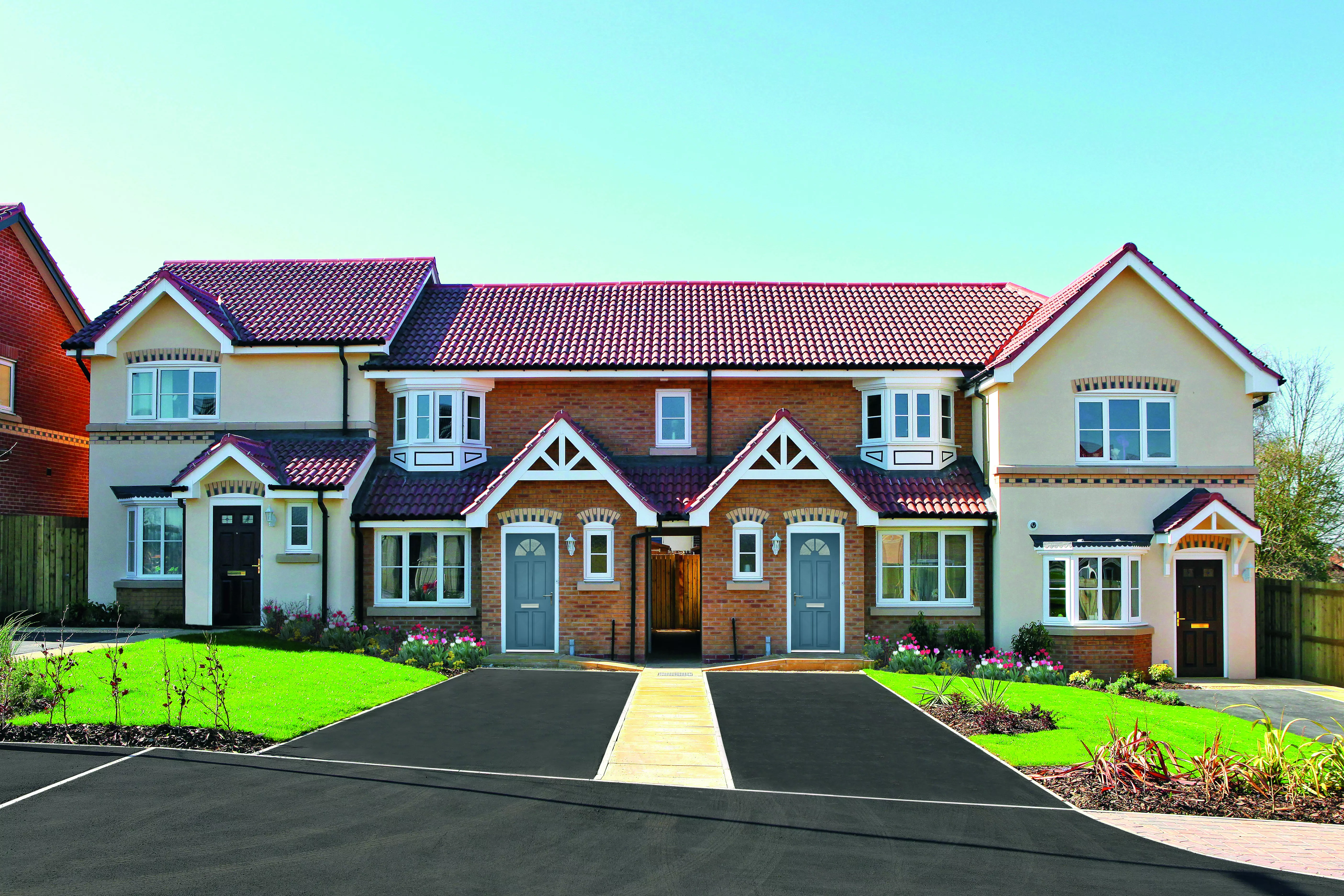
A row of mews homes

Shared

ownership

Shared ownership allows eligible buyers to purchase 25%-75% of a property and pay discounted rent (typically 2.75% annually) on the rest to the relevant housing association or developer. This makes buying more affordable, since you can start with just a 25% share and only need a 5% deposit on that portion rather than the whole property. It helps buyers who can’t initially afford all the mortgage payments and deposit on a home.

Shared ownership properties are often leasehold with service charges for maintenance, but still provide a flexible way to enter home ownership. You simply buy part of the home and rent the remainder from the housing organisation that retains majority ownership.